
21 wade ave, unit 2, toronto
Balint Zsako | Tango | 7 March – 25 April, 2026
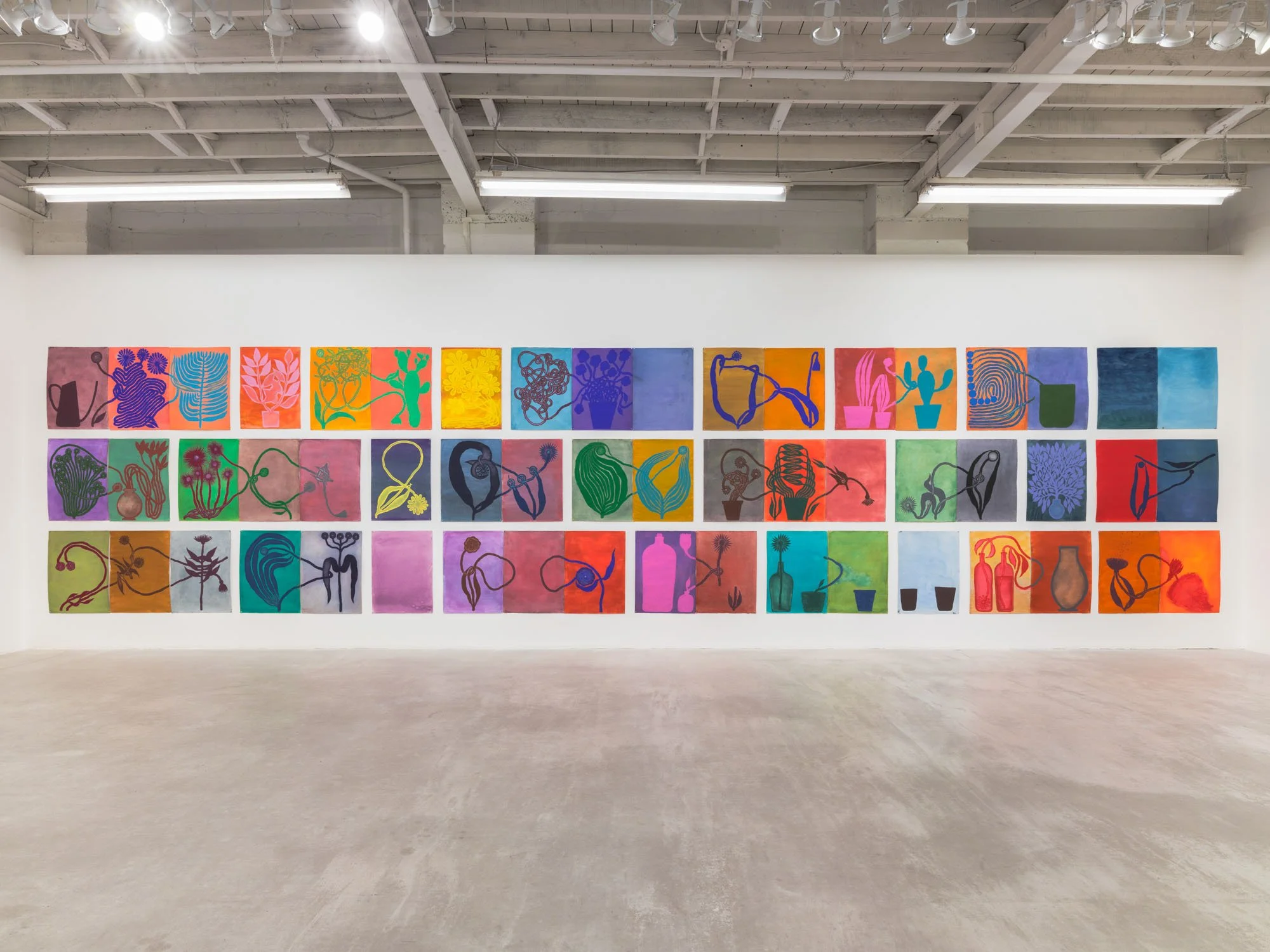
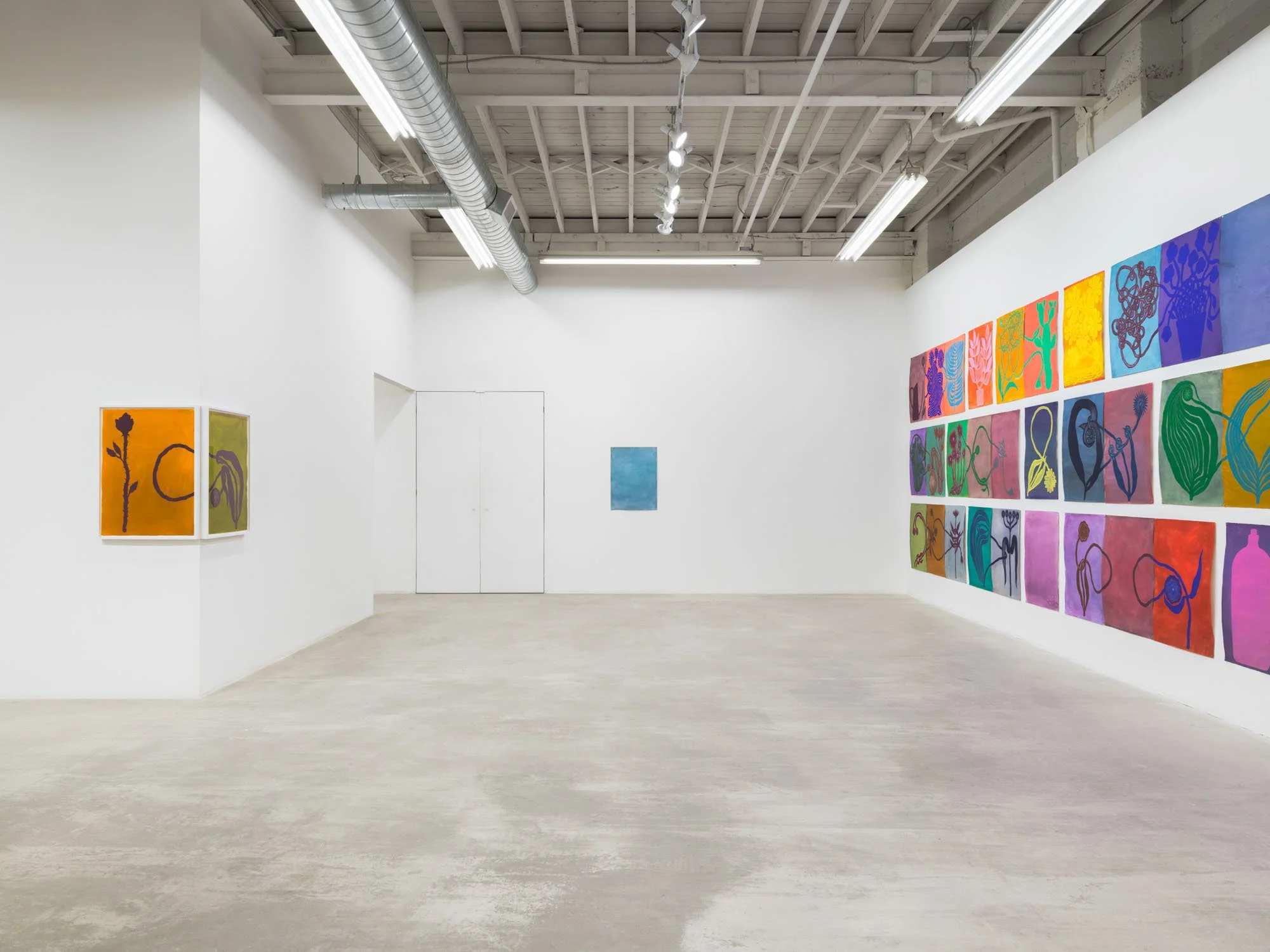
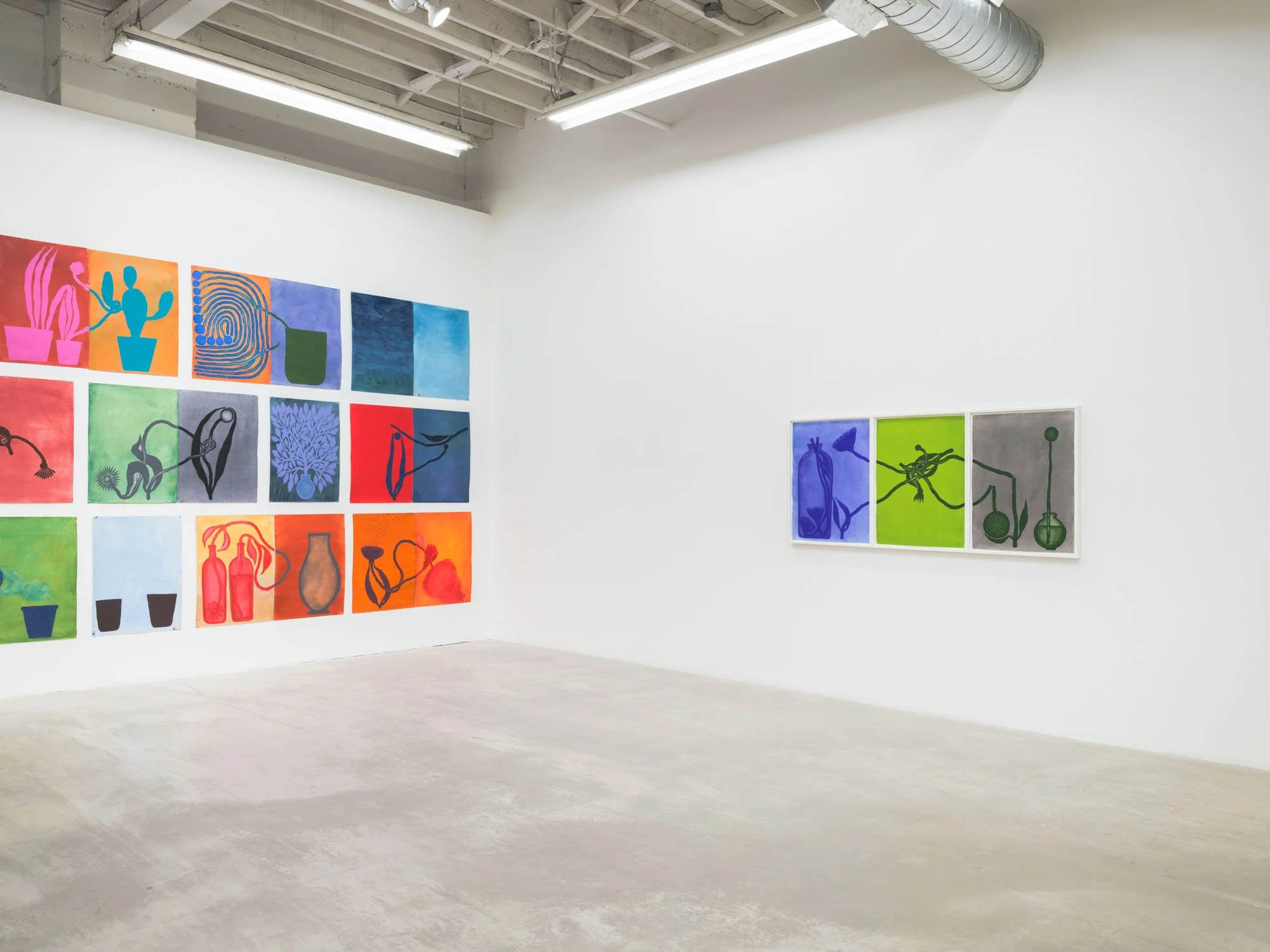
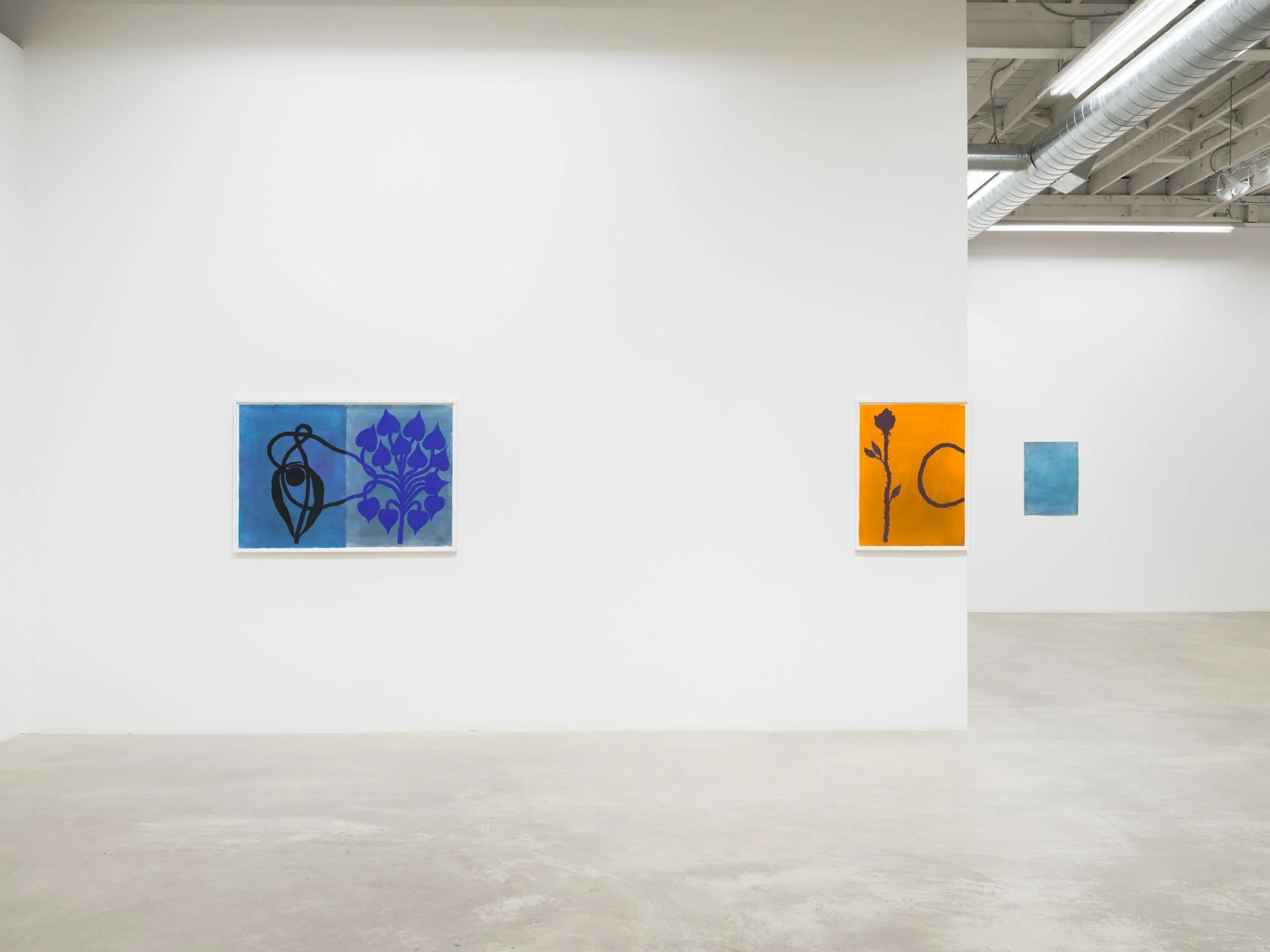
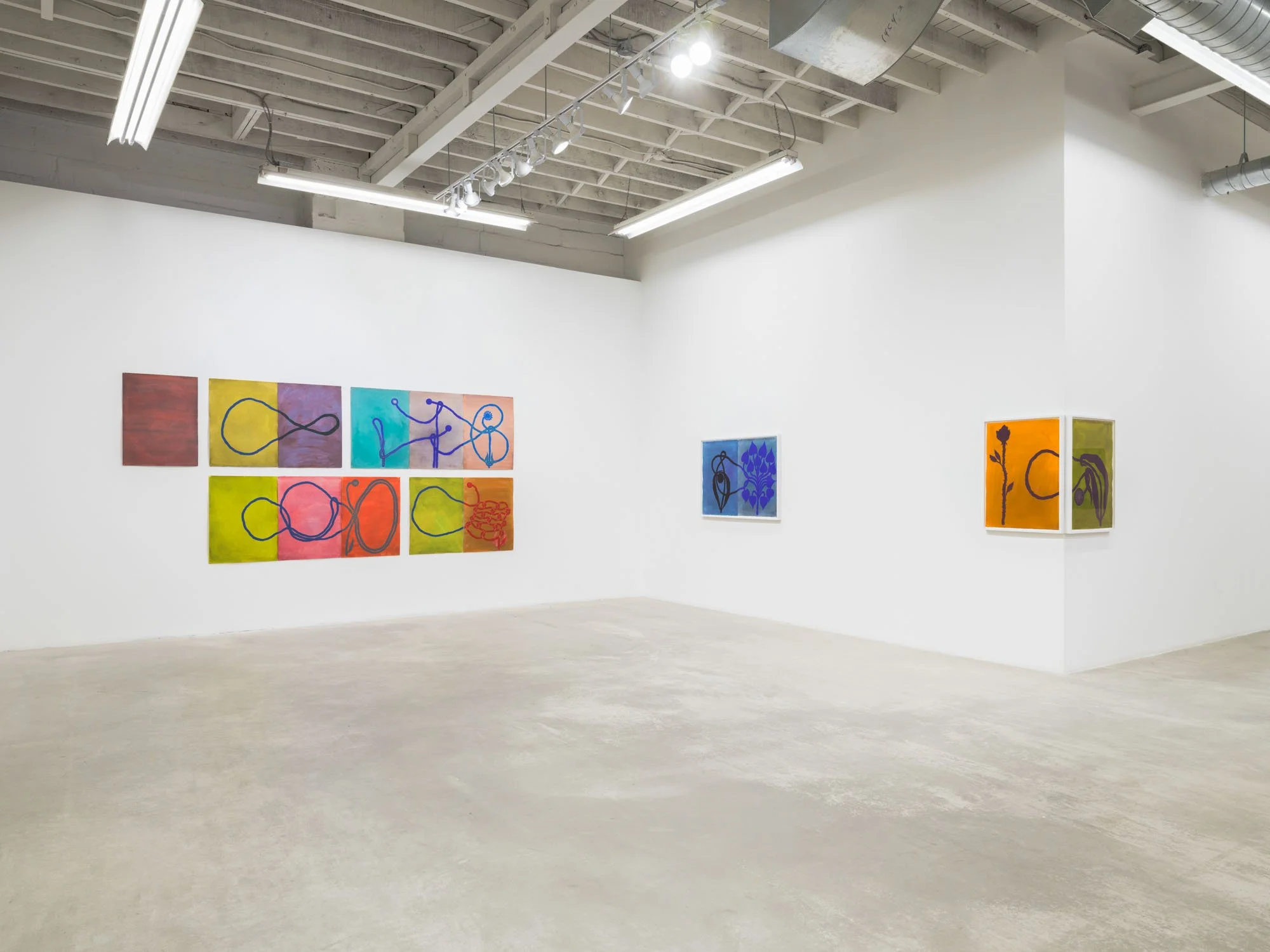
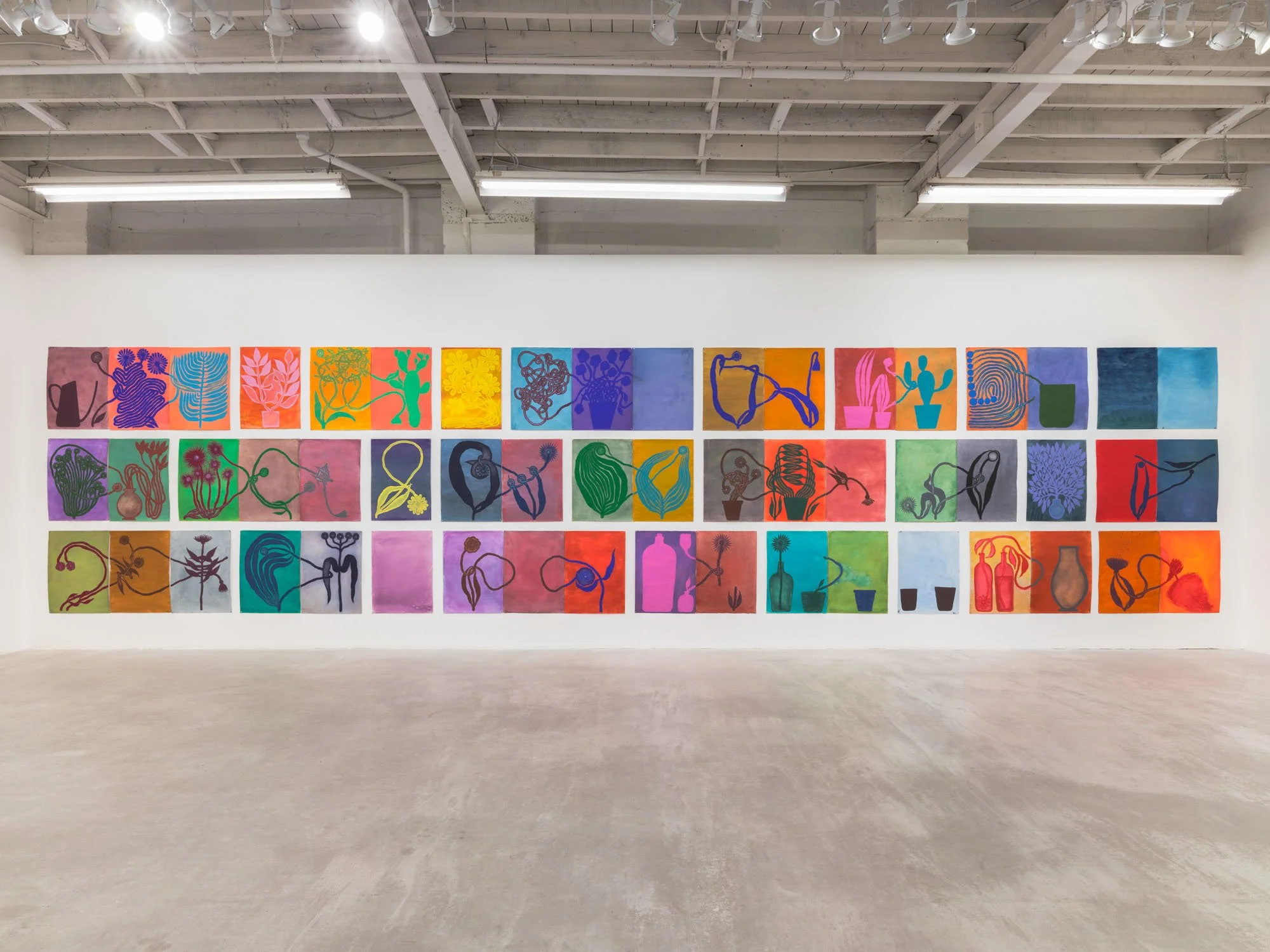
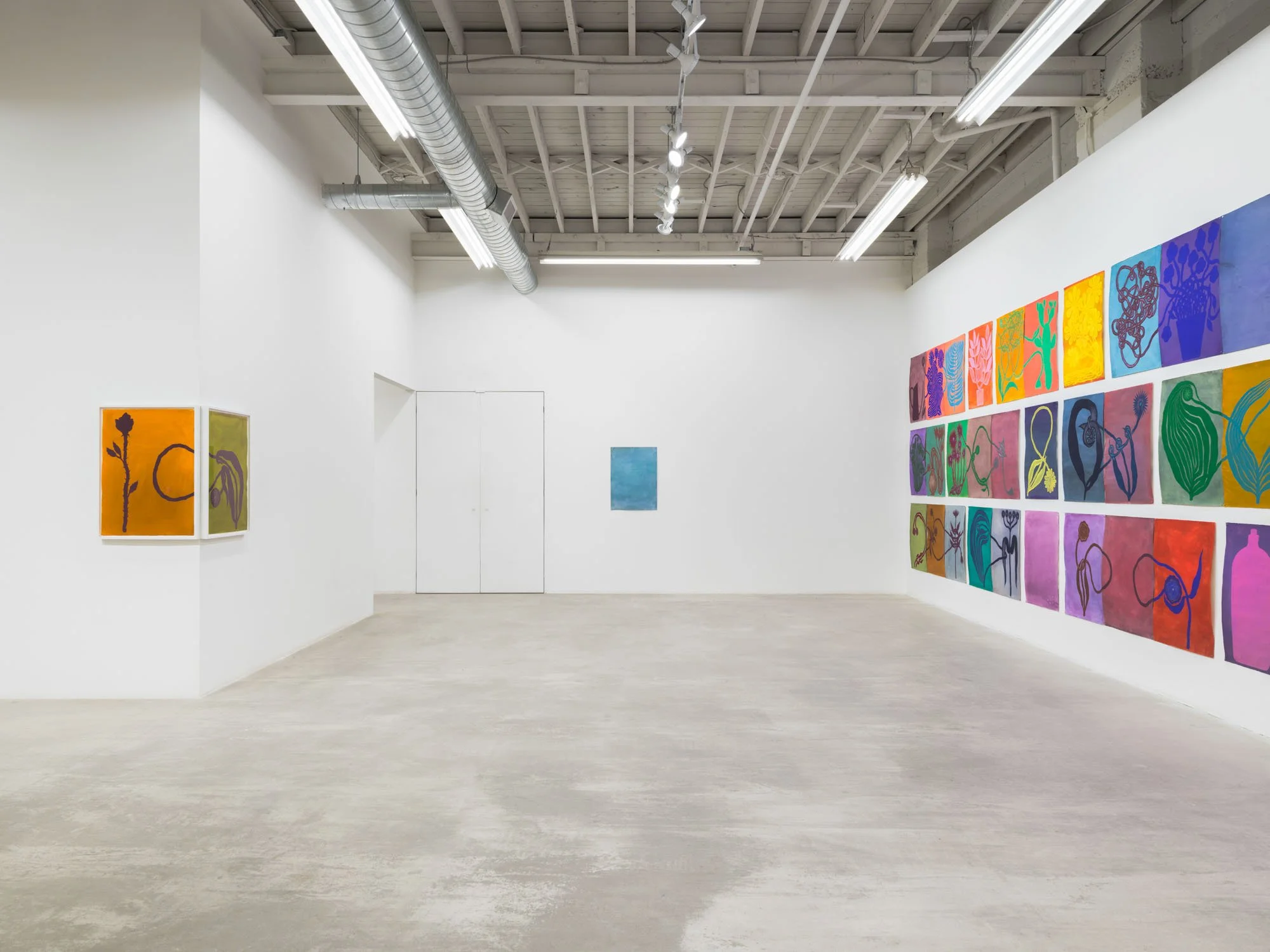
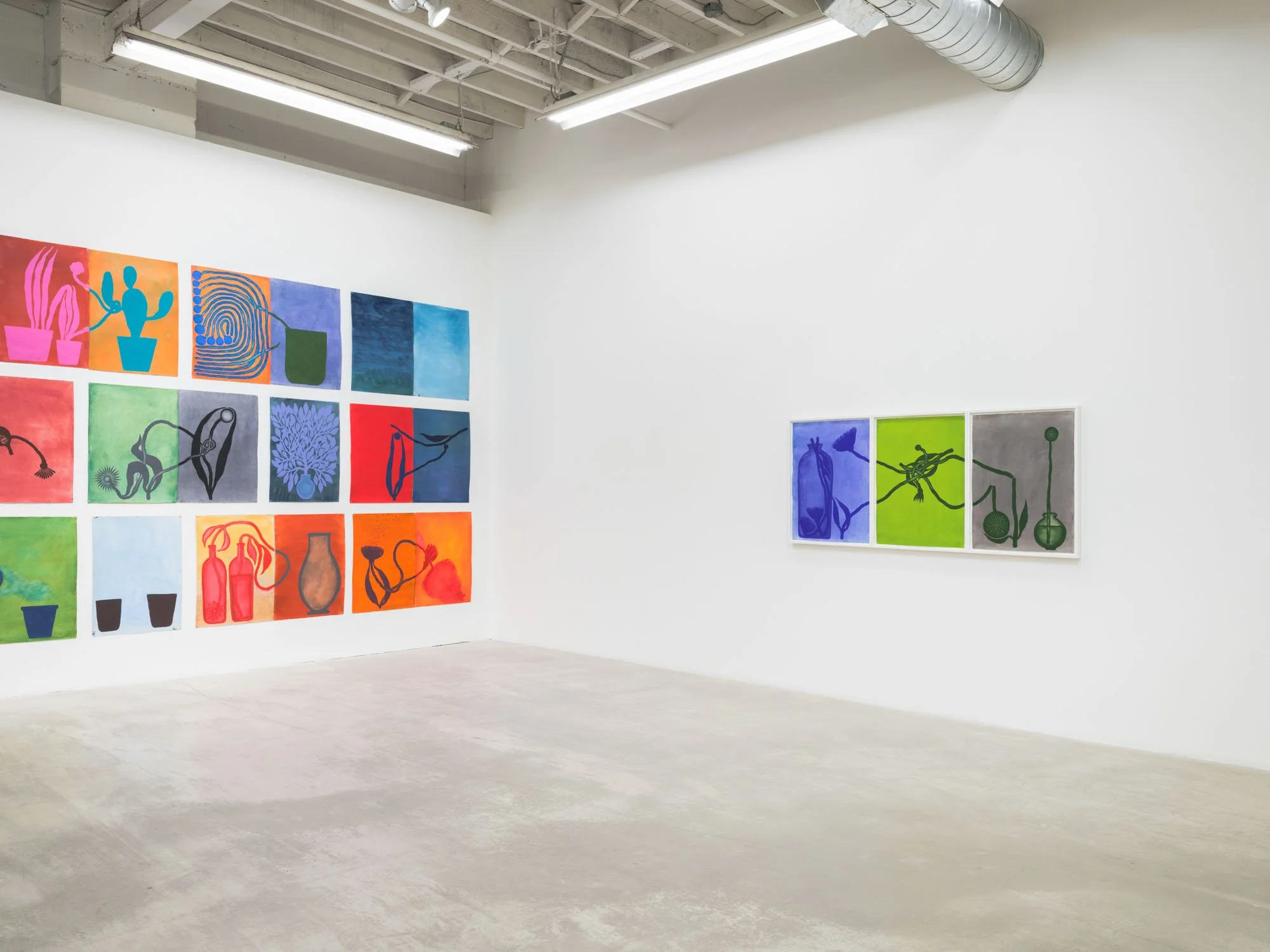
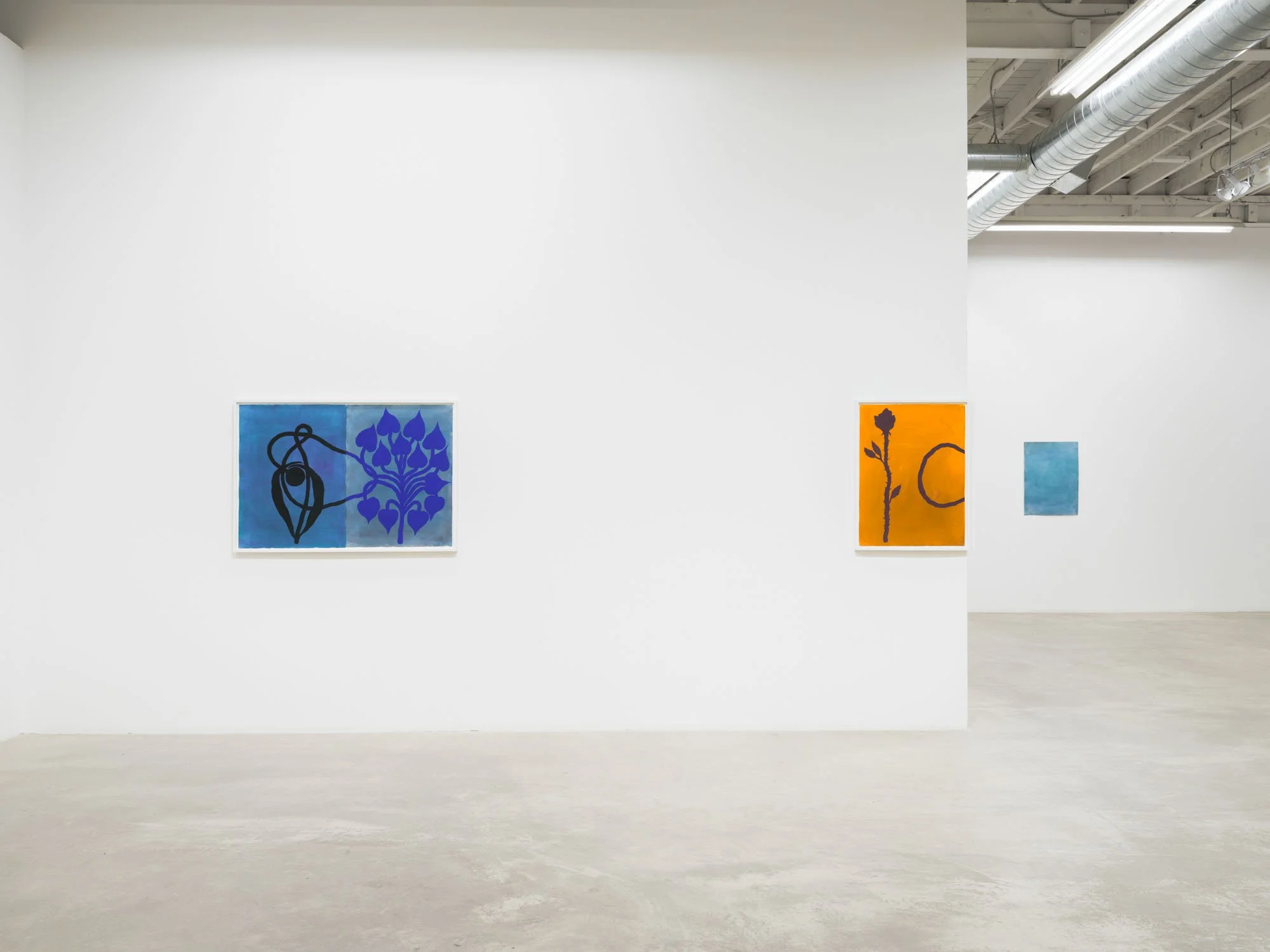
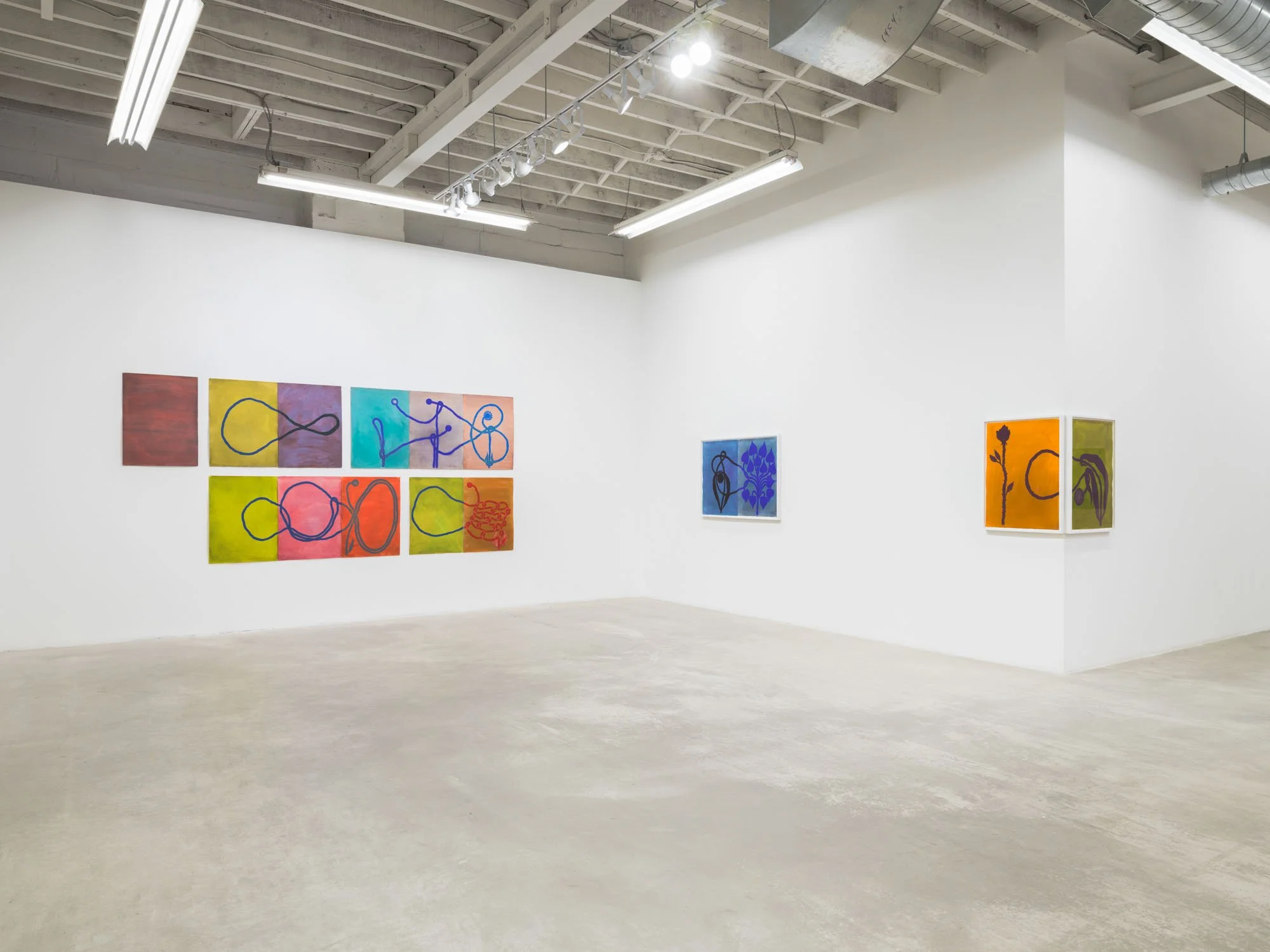
Vivid colours, embodied in non-symmetrical forms resemble body-like flora in ambiguous landscapes. Leaning away from perfection, the flowers assume the condition of the human. Movement seen in the bend of a stem or a leaf standing in for a hand depict fluid forms and interaction among their counterparts. This body of work reads as a full projection of natural, environmental and human connection.
The multiple meanings of tango is a device through which to view this relationship. The most immediately recognizable reference is a style of dance known for its tension and closeness, packed with emotion and curiosity. Alternatively, tango is used as a military code for target or enemy; existing in phonetically opened and layered dialogue. Thirdly, Tango is the name of a particular orange-yellow color. In this series all of these references come together to inform the world of the paintings.
For Balint Zsako, this interest in literal visual connection began in 2013 with his series, Modern Dance, displaying elongated and distorted bodies in movement in a set of artworks that can be rearranged. The ground, a string and an arm connect across one artwork to another and are completely interchangeable. Tango also uses a similar framework to make two (or more) panels come together to create the final composition.
The Modern Dance series are small works and he wondered how he could manifest a similar idea at a larger scale. This was combined with formal and stylistic elements from his Hands series that are built upon the idea of distortion; “how can you manipulate the form of the hand to stand in for the human condition?”
In recent years, he began painting flowers that adopt a similar approach to Hands, altering natural forms to stand in for personalities. The flowers developed into characterized bodies and were combined with the modular idea of the Modern Dance to create paintings that are potentially changeable. Now living in Rome, and inspired by the colours and history of his location, Zsako applies rich terracotta, yellow ochre, muddied greys and murky pinks to the background, buffing them with a wet rag to create a diffused patina across the works, creating unity despite uniqueness.
Zsako negotiates between application and erasure when employing his materials, intervening to reveal dimension and shading. These works are watercolors and gouache but they are also heavily informed by the tactility and surface of Fresco painting. He builds surfaces by layering watercolors that he then wipes off with a wet rag to achieve a rich uniform hue and texture. The flowers are rendered in painted modified gouache, staying as silhouettes or sometimes given dimension where a wet cloth is used to partially remove the paint within the outlines, enhancing the physical form of the flower. Imperfection and correction are an important element of the work, as watercolour is not just transparent and complex in color but retains the history of the painting’s creation.
Zsako sees these flowers as stand-ins for human bodies engaged in scenes of love, friendship, isolation and even violence. Very much like the interactions between people in a busy city, the flowers are compelling because they mirror the mutability and complexity of everyday human relationships.
–Reiley Whelen
Balint Zsako was born in Budapest, Hungary to a textile artist mother and a sculptor father. The family immigrated to Canada when he was 10 years old. Balint received his BFA from Toronto Metropolitan University. The Museum of Contemporary Canadian Art organized a traveling exhibition of his works entitled Drawings from the Bernardi Collection that was also accompanied by the artist’s first monograph. Balint’s works were featured in Sarah Polley’s film Take This Waltz, and also appear in Phaidon’s Vitamin D2 drawing anthology. He was long listed for The Sobey Award, Canada’s largest art prize & is featured in Jason Schmidt’s Artists 2 photographic survey published by Steidl. Most recently, his 2023 book “Bunny & Tree,” was named as one of “The Best Picture Books of 2023” by The New York Times and Mickalene Thomas selected him to participate in The Brooklyn Museum’s Brooklyn Artist Exhibition. Balint lives in Los Angeles with his family.
Reiley Whelen is a Toronto-based art critic and curator—a contemporary art groupie with deep roots in art history. She explores themes of beauty, current affairs, modernity, and the human condition, searching for connection among these fragments. Whelen is one of four co-founders of Parlour Gallery, an independent space devoted to art on the fringe and conceptual operations. She holds an Honours BFA in Criticism and Curatorial Practice from OCAD University.